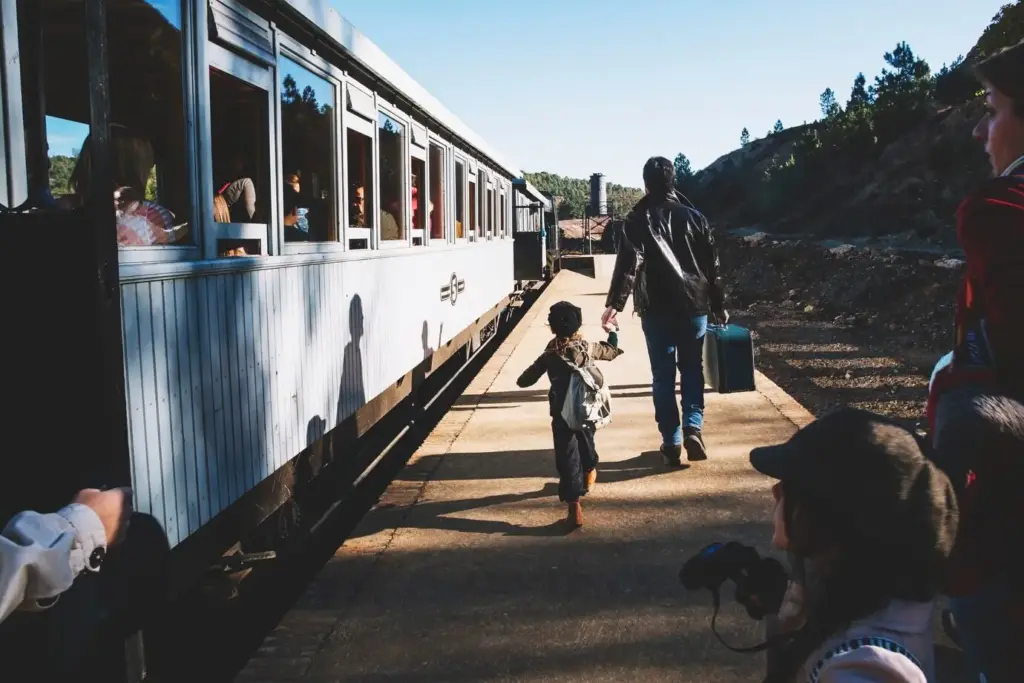
Gentle Grades, Big Horizons: Rail-to-Trail Freedom

Today we’re exploring accessible rail-to-trail outings for travelers with mobility needs, celebrating paths built on former rail lines with predictable grades, wide corridors, and dependable surfaces. Expect practical planning tips, device strategies, real stories, and community wisdom that turn curiosity into confident motion. Whether you roll with a power chair, push a manual chair, cruise a mobility scooter, or handcycle with friends, these insights help you choose routes, reach trailheads, navigate safely, and savor every view with independence and joy. Subscribe for future route ideas, and comment with your favorite accessible rail-trail so other readers can discover and roll along.

Choose the Right Trail with Confidence

Finding the perfect rail-to-trail begins with details that matter: surface type, grade, width, cross-slope, rest stops, crossings, and reliable access points. Learn to read official accessibility notes, community trip reports, and satellite images to anticipate conditions before you go. With a smart checklist and honest pacing goals, you’ll avoid surprises, enjoy smoother movement, and build a tradition of outings that nourish health, curiosity, and connection.

Read the surface and grade like a pro

Rail-trails often promise gentle grades thanks to their railroad past, yet surfaces still vary widely—fresh asphalt, packed screenings, or rutted stretches after storms. Compare slope profiles, maintenance updates, and recent photos. Prioritize firm, stable, slip-resistant surfaces and grades that match your device, stamina, and braking confidence on returns.

Access points, parking, and transfers

Trailheads differ: some offer van-accessible parking, curb cuts, and level boarding pads; others require navigating gravel, grass, or tight bollards. Study entrance photos, gate widths, and turning radii. Map restroom availability and shade. If arriving by transit, confirm the exact curb location and ramp orientation before committing.

Timing, crowd levels, and sensory considerations

Weekends can feel festive yet crowded, raising stress at narrow bridges and crossings. Early mornings and midweek windows often mean calmer paths, easier passing, and better light for photos. Consider noise sensitivity near active rail lines, road parallels, or trail events, and pack headphones or quiet breaks.

Mobility Devices and Adaptive Gear that Empower
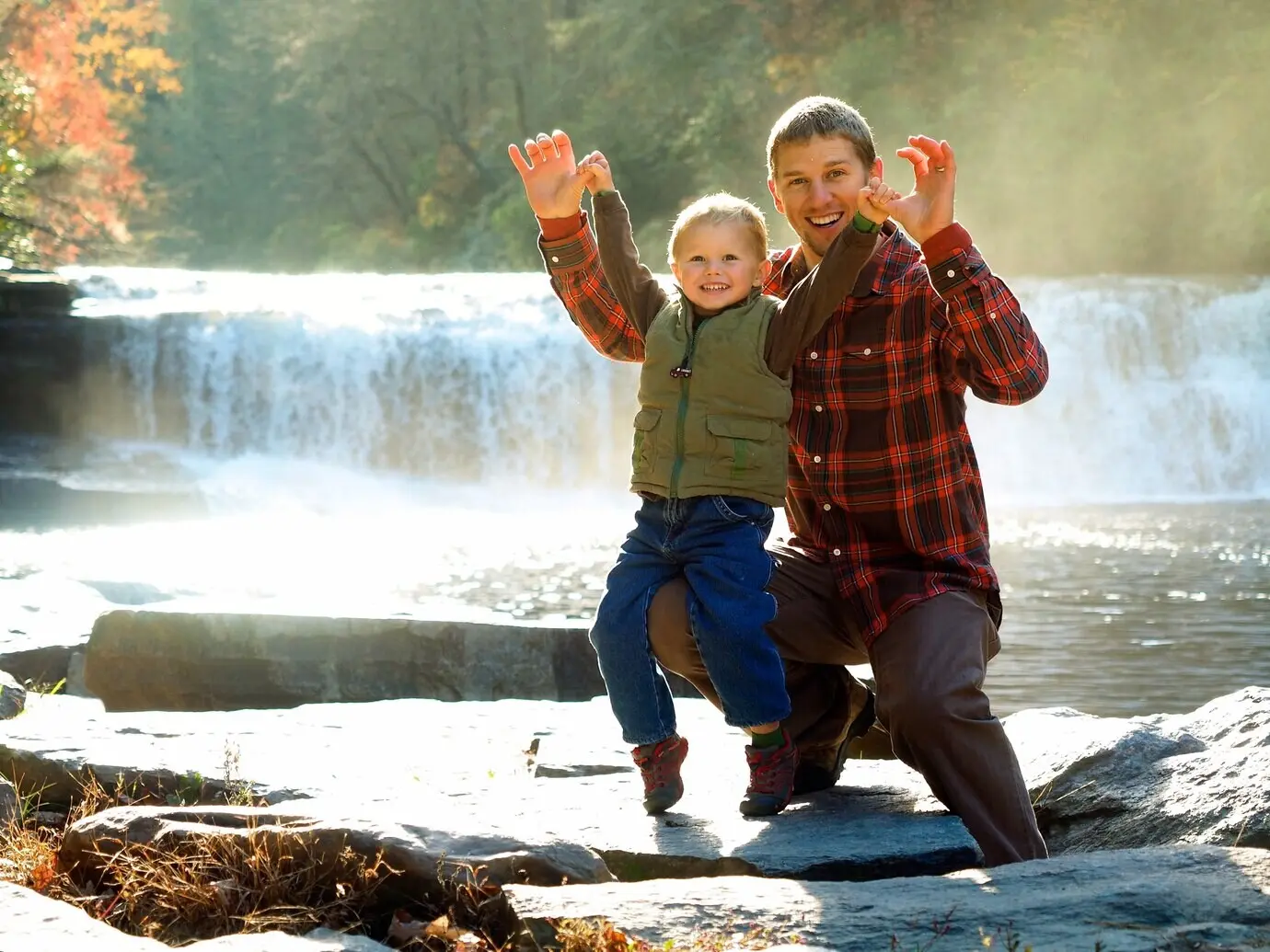
Your device is your passport to freedom on these welcoming corridors. Dial in tire pressure, battery range, seating support, and cargo solutions so comfort and control stay with you all day. From power chairs to handcycles and scooters, small adjustments transform effort, extend range, and unlock playful confidence.

Power management without range anxiety

Match real-world energy use to your route by checking grade, surface drag, wind, and temperature. Carry a compact charger, know accessible outlets at cafes or visitor centers, and use conservative speed modes. Log watt-hours or voltage sag so future rides feel predictable, resilient, and delightfully unhurried.

Comfort, posture, and pressure relief on longer rides

Small tweaks add up: adjust footplates, armrest height, lumbar support, and cushion inflation before mile one. Schedule relief breaks, shift positions, and stretch shoulders. Anti-vibration gloves, breathable layers, and wind protection reduce fatigue, keeping hands responsive, core engaged, and smiles present when views open wide.

Lightweight tools and quick fixes on the path

Pack puncture plugs, a mini pump, zip ties, spare tubes if compatible, and a small multi-tool with hex and Torx bits. Add a reflective strap to bundle gear under the seat. Practice repairs at home so roadside solutions feel calm, efficient, and empowering.

Getting There Smoothly: Trains, Buses, and Rides

The journey begins before the trailhead. Confirm elevator status, level boarding, ramp deployment policies, and wheelchair space availability, then plan connections with generous buffers. Screenshot schedules, download offline maps, and share your live location. A calm approach protects energy, reduces surprises, and keeps the day centered on joy, not logistics.

Bathroom access without stress

Scout restrooms on official maps and community lists, noting door widths, turning space, sink clearance, and grab bar placement. Pack a small kit with sanitizer, tissue, and a portable radar key or door opener where relevant. Time hydration to known stops so comfort stays predictable and calm.

Smart packing for all seasons

Layer breathable fabrics, add a light shell for wind or drizzle, and carry a compact rain cover for seats or controls. Sunscreen, lip balm, and a brimmed cap protect comfort. Include a whistle, basic first-aid, reflective bands, and a lightweight blanket to adapt gracefully when conditions change.

Stories from the Rails-to-Trails

Personal journeys illuminate what checklists cannot. Hear how small planning choices, warm community moments, and adaptable gear create spacious days. These vignettes showcase resilience and joy, offering honest lessons about fatigue, pacing, companionship, and wonder—inviting you to share your experiences and encourage the next traveler forward.

Jasmine’s first sunrise roll

After months of indoor rehab, Jasmine chose a riverside rail-trail with level grades and frequent benches. She paused at mile two, stretched, and watched the water glow pink. A passing cyclist slowed, offered a cheerful bell, and asked if she wanted a photo to remember courage.

Tom’s return to weekend miles

Managing multiple sclerosis meant Tom shifted from jogging to a recumbent trike with e-assist. He mapped shade, water stops, and a turn-around before fatigue. When a headwind arrived, he changed cadence, smiled at train-era mileposts, and still reached his favorite bakery for cinnamon rolls.

Aisha and her dad discover local history

Aisha pushes a manual chair while her dad rides a scooter beside her. Wayfinding signs pointed out depots, steel bridges, and murals honoring track workers. They read aloud, traded stories from childhood, and recorded audio notes, promising to return with grandparents and a picnic blanket.

Build Community and Share the Joy

Trail etiquette that welcomes everyone

Announce passes with a friendly bell or voice, keep right except when overtaking, and give space at bridges and bollards. Leash pets short in busy sections. Smile, wave, and model patience so newcomers feel safe asking questions and returning with friends, caregivers, or curious neighbors.

Ask for help, offer help, and celebrate wins
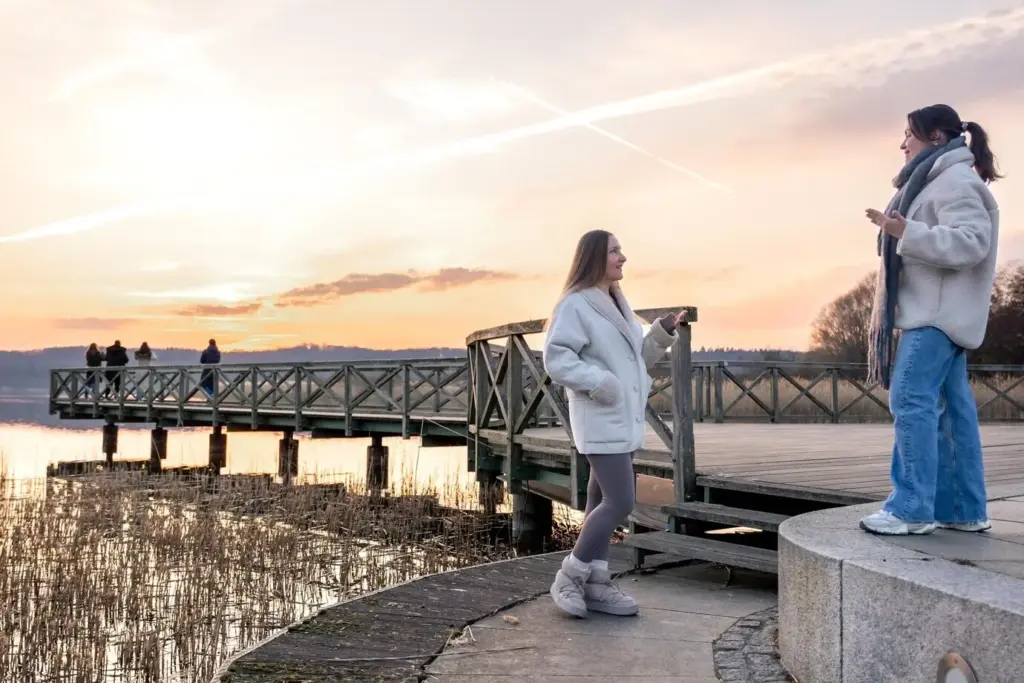
Normalize brief check-ins: ‘Need a hand with the gate?’ or ‘Want me to hold traffic at the crossing?’ Always follow the person’s lead. Celebrate milestones publicly—first five miles, new device setup, or a rainy-day roll—so confidence spreads and the invitation feels unmistakably open.

Join events and shape better infrastructure

Attend community rides, accessibility audits, and cleanup days. Register feedback about surfaces, cross-slope, debris, and missing curb cuts. Share polite, specific notes with photos and distances. When agencies hear consistent stories, budgets shift, maintenance improves, and accessible rail-to-trail outings multiply for families, clubs, visitors, and solo explorers.
Mimazevonerotokupanaxa
Privacy Overview

This website uses cookies so that we can provide you with the best user experience possible. Cookie information is stored in your browser and performs functions such as recognising you when you return to our website and helping our team to understand which sections of the website you find most interesting and useful.