Catch the Train, Hit the Trail: Go Lighter, Go Farther in Canada

Today we dive into ultralight packing and logistics for train-to-trail weekends in Canada, showing how to trim grams without losing safety, sync timetables with mileage, and step off a platform already poised for adventure. Learn to carry only essentials, ride courteously with a compact kit, and link stations to nearby trailheads with confidence. Bring curiosity, leave bulk behind, and discover how rail unlocks spontaneous micro-adventures across provinces while protecting energy, time, and your budget.

Dialing In Your Base Weight

A lighter weekend kit lets you sprint from train seat to trail without feeling bogged down, covering more ground between Saturday morning and Sunday evening. Focus on ruthless essentials, trim comfort without sacrificing safety, and choose multi-use items that earn their keep. In Canada’s variable climates, a balanced system beats chasing ultralight records, because resilience, warmth, and dryness matter more than bragging rights when weather flips quickly across forests, prairies, and mountain passes.

The Big Three, Smarter and Smaller

Evaluate pack, shelter, and sleep system as one ecosystem. A compact, frameless or minimal-frame pack shines when your shelter is truly light and your quilt or bag compresses efficiently. Aim for weather-worthy simplicity: a taut pitch, dependable stakes, and an insulating pad that actually sleeps warm on Canadian shoulder-season nights. Every gram saved should protect energy on climbs, reduce strain during station transfers, and still deliver restorative rest for day two mileage.

Clothing That Works Across Provinces

From maritime fog to prairie gusts and sudden mountain squalls, versatility rules. Prioritize a breathable rain shell, a light puffy that layers over a fleece or grid midlayer, and quick-drying base layers that manage sweat during train rides and steep ascents. Choose merino or high-performance synthetics for odor control on crowded cars. Keep accessories minimal yet potent: thin liner gloves, a wind cap, and a neck gaiter turn uncertain forecasts into manageable micro-adjustments throughout the weekend.

Food That Travels Quietly

Pack meals that stay tidy on trains and efficient on trail. Think low-odor snacks, sturdy zip pouches, and a simple cold-soak or fast-boil setup to minimize mess and time. Favor calorie-dense options like nut butters, tortillas, dehydrated meals, and dark chocolate. Respect rail etiquette by keeping aromas contained, and respect wildlife by following park-specific storage rules. A streamlined cook kit reduces bulk, while consistent snack pacing supports even energy during tight turnarounds and long return rides.

Train Logistics Without the Headache

Good logistics start with accurate schedules, realistic mileage, and generous buffers around your outbound and return trains. Study station layouts, exit options, and nearby services before packing, not after you arrive. Confirm baggage rules, peak-hour restrictions, and whether large packs must be stowed differently. Book seats early during busy seasons. If you need quiet time to plan, choose cars with power outlets. Every small detail compounds into a relaxed arrival, unhurried hike, and stress-free trip home.

Last‑Mile Connections and Navigation

Turning train doors into trail entrances relies on thoughtful micro-routes, not just big-picture maps. Build a link from platform to dirt using sidewalks, multi-use paths, and safe crossings, then download everything. Redundancy protects you when batteries sag or apps crash. Confirm public access, seasonal closures, and any private land boundaries. Mark water sources, viewpoints, and bailout points. With clear waypoints and offline coverage, you’ll float through transitions, conserving mental energy for climbs, descents, and scenic detours.

Weather, Wildlife, and Seasonal Smarts

Canadian weekends can deliver sun-splashed ridgelines, sudden squalls, or chilly river bottoms—all within hours. Pack for likely patterns, not perfect predictions. Prioritize breathable rain protection, a reliable insulating layer, and dry sleep. Wildlife considerations vary by region; regulations guide food storage choices from canisters to bear hangs or lockers. Bug cycles and wildfire smoke can influence comfort and visibility. Flexible planning paired with lightweight preparedness keeps morale high, photos brighter, and memories kinder to your future self.

Rain, Wind, and Shoulder‑Season Cold

Choose a shell that vents well on climbs yet seals out wind-driven rain. Pair with a light puffy and a high-efficiency midlayer for variable temperatures. Sleep warmer by isolating from ground chill using an adequate R-value pad. Keep a dry set for camp and train rides. Favor quick-access pockets for gloves and beanie near exposed viewpoints. A few smart grams invested here can save hours of shivering, soggy morale, and that regrettable early turnaround you promised to avoid.

Bears, Food Storage, and Odor Control

Follow local rules for storage: some parks recommend hard-sided canisters, others provide lockers or permit proper hangs. Use odor-resistant bags, cook away from sleeping areas, and keep train snacks sealed and tidy. Avoid smelly trainside meals that linger around fellow passengers. Carry a compact, loud whistle and know bear behavior basics. Your goal is predictable, scent-conscious habits everywhere, from station benches to backcountry benches, protecting wildlife, your dinner, and the access privileges that make quick getaways possible.

Bugs, Smoke, and Heat

When bug season peaks, pack a head net, proven repellent, and long sleeves that breathe. Consider campsite breezes and avoid damp hollows at dusk. In heat, chase shade, carry treatment for frequent water refills, and time climbs earlier. Monitor air quality during wildfire season and adapt exertion if visibility drops. Lightweight sun gloves and a brimmed cap add comfort without bulk. Responsive strategies maintain momentum, keep skin bite-free, and preserve the joy of moving lightly through summer landscapes.

Sample 36‑Hour Itineraries to Spark Ideas

{{SECTION_SUBTITLE}}
Corridor Forest Loops
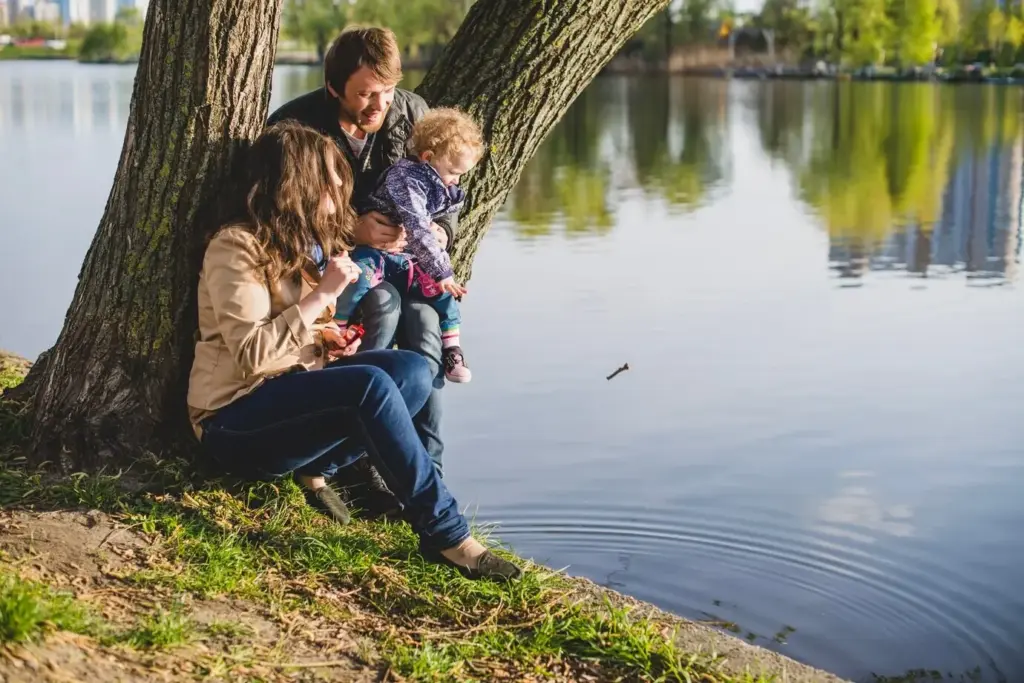
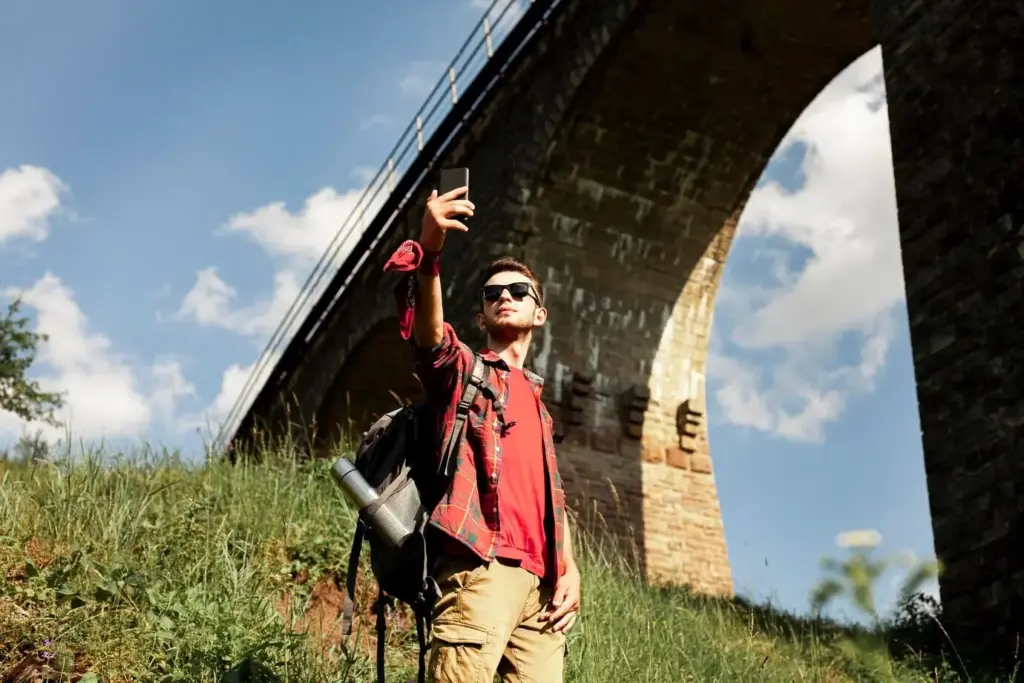
In regions served by frequent corridor trains, look for greenbelts, conservation areas, or national urban park trails reachable by short bus rides or brisk walks from stations. Plan a mellow Saturday approach, a scenic ridge or lakeside camp, and a Sunday loop that returns near your start. Keep total elevation reasonable so you can enjoy campfire conversations, bird calls, and early light without rushing. These close-to-city escapes maximize spontaneity while keeping logistics refreshingly simple and resilient.

Prairie River Paths

Where open prairie meets winding river valleys, identify multi-use trails or park systems that intersect towns served by intercity or regional rail. Stitch together gravel paths, footpaths, and short road connectors for a peaceful loop past cottonwoods and sandy bends. Water is plentiful but may require treatment; mark access points clearly. Embrace wide horizons and big skies, then return with time to spare for a relaxed station coffee. This format rewards steady pacing, light kits, and thoughtful sunsets.

Community, Safety, and Leave No Trace

A thriving rail-to-trail culture grows when hikers share lessons, respect fellow passengers, and care for the places that welcome quick escapes. Check in with someone at home, carry a small first-aid kit, and keep your navigation redundancies honest. Follow Leave No Trace, pack out micro-trash from platforms, and model courteous behavior onboard. Share your packing tweaks, route discoveries, and honest mistakes with our community. Subscribe, comment, and ask questions—your experience helps the next weekend traveler succeed safely.

Share Your Weights and Wins

Post your base weight, favorite multi-use items, and the one luxury you still carry. Include station-to-trail links, bus routes, or taxi tips that worked. Celebrate small victories: a better sleep pad, a faster pitch, or dialing food perfectly. If something failed, explain why. Real-world details beat gear lists alone. Invite feedback, trade local knowledge, and help us maintain a living repository where newcomers find confidence and veterans find fresh sparks for lighter, happier weekends.

Solo but Connected

Traveling light does not mean traveling unprepared. Share your itinerary, set turnaround alarms, and decide in advance when you will bail safely. Consider a compact satellite messenger if reception is unreliable. Keep first-aid basics and know how to use them. Pack calm: a clear mind, layered options, and backup navigation. Solo miles can feel deeply restorative when supported by thoughtful systems. Confidence grows from preparation, not bravado, and trains make reliable partners when plans need graceful adjustments.

Stewardship on Rails and Trails

Make kindness part of your kit. Offer your seat to those who need it, stow poles neatly, and keep wet gear contained so shared spaces stay pleasant. On trail, stay on durable surfaces, protect cryptic soils and tender plants, and minimize noise near wildlife. Volunteer for cleanups or trail days when possible. By modeling respect from station platforms to ridgelines, we safeguard access, welcome newcomers, and ensure that fast, light weekends remain possible for everyone who follows.

Mimazevonerotokupanaxa
Privacy Overview

This website uses cookies so that we can provide you with the best user experience possible. Cookie information is stored in your browser and performs functions such as recognising you when you return to our website and helping our team to understand which sections of the website you find most interesting and useful.